Is Sauerkraut Healthy? Benefits, Probiotics, and Gut Health
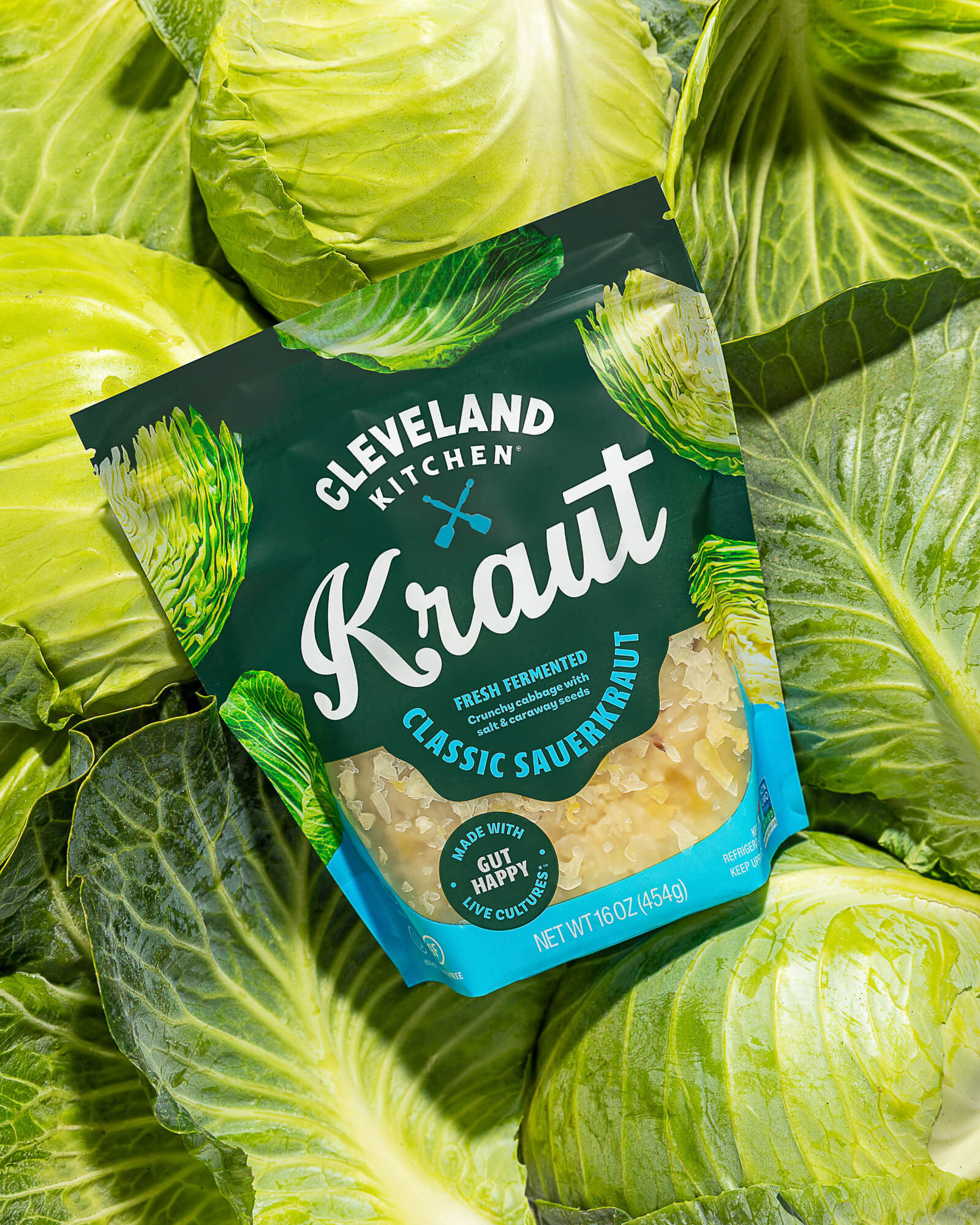
Long before probiotics became a buzzword, people around the world were fermenting vegetables to make them last longer and taste better.
One of the most recognizable examples of this tradition is sauerkraut, cabbage transformed through fermentation. What began as a method of preservation eventually became a staple food across much of Europe, valued not only for its long shelf life but also for its flavor and nutritional value.
Today, sauerkraut is getting renewed attention for a different reason. As scientists study the gut microbiome more closely, traditional fermented foods like sauerkraut are being explored for how they may interact with digestion, immunity, and overall health.
But what actually makes sauerkraut different from fresh cabbage? And what gives it its reputation as a gut-friendly food? Let’s dive in.
Is Sauerkraut Good for You?
Sauerkraut offers a range of nutrients that can support a balanced diet.
Because it is fermented rather than simply cooked or pickled, sauerkraut contains compounds that develop during the fermentation process, including beneficial microbes, organic acids, and metabolites produced by bacteria as they transform the cabbage.
It also retains many of the nutrients naturally present in cabbage, including:
• vitamin C
• vitamin K
• fiber
• antioxidant plant compounds
Fermentation may also influence how the body interacts with these nutrients. As microbes begin breaking down plant sugars and fibers, some compounds become easier to digest or absorb, a process supported by research on fermented foods and nutrient bioavailability.
However, not all sauerkraut is the same.
Fresh, refrigerated sauerkraut that has not been pasteurized or heat-treated is more likely to retain the microbial activity created during fermentation. Shelf-stable versions that are heated for preservation may still provide nutrients and flavor but typically contain fewer live cultures.
For most people, incorporating a few spoonfuls of raw and unpasteurized sauerkraut into meals is an easy way to introduce fermented foods into everyday eating.
What Makes Sauerkraut Different from Regular Cabbage?
At first glance, sauerkraut might seem like nothing more than shredded cabbage.
But fermentation changes the vegetable in ways that go far beyond taste.
When cabbage is mixed with salt and allowed to ferment, naturally occurring bacteria begin converting the vegetable’s sugars into lactic acid. This gradual shift in acidity preserves the cabbage while creating the bright, tangy flavor associated with sauerkraut.
At the same time, microbial activity reshapes the chemistry of the food itself.
As fermentation progresses, microbes generate organic acids, enzymes, and other compounds that alter the structure of the cabbage. These changes are one reason fermented foods may behave differently in the digestive system compared with their raw counterparts.
In simple terms, fermentation doesn’t just preserve cabbage—it transforms it.
Why Sauerkraut Is Often Considered a Functional Food
Because fermentation changes the composition of cabbage, sauerkraut is often discussed as a functional food, meaning a food that may provide benefits beyond basic nutrition.
During fermentation, microbes interact with plant compounds in ways that create new molecules and alter existing nutrients. This process can produce organic acids, microbial metabolites, and other compounds that influence both flavor and how the food interacts with the body.
Sauerkraut ultimately delivers a combination of elements that nutrition researchers find interesting:
• naturally occurring fermentation microbes
• fiber from cabbage
• vitamins and minerals
• compounds produced during fermentation
Together, these components help explain why fermented vegetables frequently appear in conversations about gut health.
Health Benefits of Sauerkraut
Research into fermented foods is still evolving, but several potential benefits of sauerkraut are commonly discussed in nutrition science.
Gut Microbiome Support
The digestive system is home to trillions of microbes collectively known as the gut microbiome. These microbes help break down food, produce certain nutrients, and interact with the immune system.
Fermented foods may influence the diversity of this microbial ecosystem.
A widely cited study from Stanford Medicine found that participants who increased their intake of fermented foods experienced increases in gut microbiome diversity along with reductions in several inflammatory markers.
Microbiome diversity is often considered a marker of a more resilient digestive ecosystem.
Immune System Support
The gut and the immune system are closely connected. In fact, a large portion of immune activity occurs within the digestive tract.
Because fermented foods can influence the microbial environment of the gut, researchers are studying how these foods may also interact with immune pathways related to inflammation and immune regulation.
Fermentation produces organic acids and microbial metabolites that may influence how immune cells respond to environmental stressors, a relationship discussed in broader gut health research from Harvard Health Publishing.
Nutrient Density and Absorption
Sauerkraut also provides several nutrients naturally found in cabbage.
Vitamin C, vitamin K, fiber, and polyphenols all remain present in fermented cabbage. During fermentation, microbes may also alter plant compounds in ways that influence how they are digested.
Some research suggests fermentation can increase the availability of certain nutrients while reducing compounds that interfere with digestion.
In one laboratory study conducted at the University of California, Davis, researchers examined fermented cabbage using Cleveland Kitchen sauerkraut and compared it with raw cabbage and cabbage brine.
The fermented cabbage helped protect intestinal cells from inflammation-related stress, while the raw cabbage did not. Researchers believe compounds created during fermentation may help explain the difference.
What Probiotics Are Found in Sauerkraut?
Sauerkraut develops a variety of beneficial microbes during fermentation.
Among the bacteria commonly identified in fermented cabbage are:
• Lactobacillus plantarum
• Lactobacillus brevis
• Leuconostoc mesenteroides
These microbes emerge naturally as fermentation progresses.
Unlike probiotic supplements, which contain specific strains in standardized amounts, fermented foods typically contain complex communities of microbes that develop organically during fermentation.
Whether these microbes remain active in the final product depends on how the sauerkraut is processed and stored. Fresh fermented and refrigerated sauerkraut like Cleveland Kitchen’s sauerkraut is more likely to retain the microbial communities created during fermentation.
Why Sauerkraut Became a Global Staple
Sauerkraut’s reputation as a nourishing food actually predates modern nutrition science.
For centuries, fermented cabbage was valued as a durable food that could be stored for long periods without spoiling. Sailors in particular relied on fermented cabbage during long voyages because it helped prevent vitamin deficiencies such as scurvy.
Across Central and Eastern Europe, sauerkraut became deeply embedded in regional cuisines, appearing in dishes ranging from soups to stews to hearty winter meals.
This long history of everyday use is one reason sauerkraut continues to attract interest today. Modern research is beginning to explore how traditional fermentation methods may influence digestion and the gut microbiome.
The Takeaway
Sauerkraut has endured for centuries for a simple reason: it works.
With nothing more than cabbage, salt, and time, fermentation transforms an ordinary vegetable into something with deeper flavor, longer shelf life, and a unique nutritional profile. Long before scientists began studying the gut microbiome, cultures around the world were already incorporating fermented vegetables like sauerkraut into everyday meals.
Today, research is helping explain why these foods have remained staples for so long. Fermentation creates living microbial communities and compounds that interact with the digestive system in ways fresh vegetables do not.
But sauerkraut’s value isn’t just scientific, it’s practical.
It’s one of the easiest fermented foods to add to a meal. A spoonful can brighten a grain bowl, add contrast to roasted vegetables, or bring acidity and crunch to a sandwich.
In other words, sauerkraut doesn’t need to be treated like a supplement or a wellness trend. It’s simply a traditional food that continues to earn its place at the table.
Continue reading



Find Us Online
& In-Store
Big flavor. Real benefits. Find us nationwide—always fresh, always in the fridge.



%201.avif)


%201.avif)