Protein-Obsessed? Don’t Forget About Your Gut Health

Protein helps support muscles, recovery, and satiety. But your gut microbiome needs more than protein alone to thrive. Research suggests that dietary fiber, plant diversity, and fermented foods all play important roles in supporting a healthy gut ecosystem.
Protein Is Having a Moment
Protein is everywhere right now.
From protein coffee and protein pasta to protein bars, chips, and cereals, many people are actively looking for ways to increase their intake—and for good reason. Protein plays an important role in muscle maintenance, recovery, and satiety.
Social media has even coined a term for the trend: “protein maxxing”—the practice of trying to squeeze as much protein as possible into every meal and snack.
For many people, increasing protein intake can be a positive change.
The problem isn’t eating more protein.
The problem is treating protein as the only thing that matters.
When the focus shifts entirely to hitting protein goals, other important parts of a healthy diet can get pushed aside—particularly fiber-rich fruits and vegetables, whole grains, legumes, and fermented foods.
And while protein helps support your muscles, your gut microbiome has different nutritional needs.
That’s where the conversation often gets incomplete.
Why Your Gut Needs More Than Protein
Your digestive system is home to trillions of microorganisms collectively known as the gut microbiome.
Scientists continue to uncover the many ways the microbiome influences health, including digestion, immune function, metabolism, and communication throughout the body.
Like any ecosystem, your microbiome needs a variety of inputs to thrive.
While protein supports your muscles and tissues, beneficial gut microbes rely on other nutrients—particularly dietary fiber and plant compounds—to do their jobs.
That’s why a balanced approach to nutrition matters.
What Your Gut Is Really Hungry For
Protein, carbohydrates, and fats all play important roles in a healthy diet. But when it comes to supporting your gut microbiome, there’s more to the story than macros alone.
Beneficial gut microbes thrive on a variety of foods, including:
- Dietary fiber
- Fruits and vegetables
- Whole grains
- Legumes
- Nuts and seeds
- Diverse plant foods
- Fermented foods
Research suggests that eating a wider variety of plant foods may help support a more diverse gut microbiome. In other words, eating a wider variety of plant foods may help support a more resilient gut ecosystem.
That doesn’t mean protein isn’t important. It simply means your microbiome has different nutritional needs than your muscles.
Where Fermented Foods Fit In
Fermented foods have been enjoyed around the world for centuries, but they’re receiving renewed attention for their potential role in supporting gut health.
Foods like sauerkraut, kimchi, kombucha, yogurt, kefir, and other traditionally fermented foods contain live and active cultures created through the fermentation process.
One of the most widely discussed studies on fermented foods came from researchers at Stanford University. Participants who consumed a diet rich in fermented foods experienced increased microbiome diversity along with reductions in several markers of inflammation.
While researchers continue to explore exactly how fermented foods interact with the gut microbiome, these findings suggest that regularly incorporating fermented foods may be a simple way to support overall gut health.
Building a More Balanced Plate
Rather than thinking about nutrition as a competition between protein and gut health, consider how they can work together.
A balanced plate might include:
- A protein source such as chicken, fish, eggs, tofu, or beans
- Plenty of colorful vegetables
- Fiber-rich foods like whole grains or legumes
- A serving of fermented foods
For example:
Breakfast
- Eggs topped with kimchi
- Breakfast tacos with sauerkraut
Lunch
- A grain bowl with chicken and kimchi
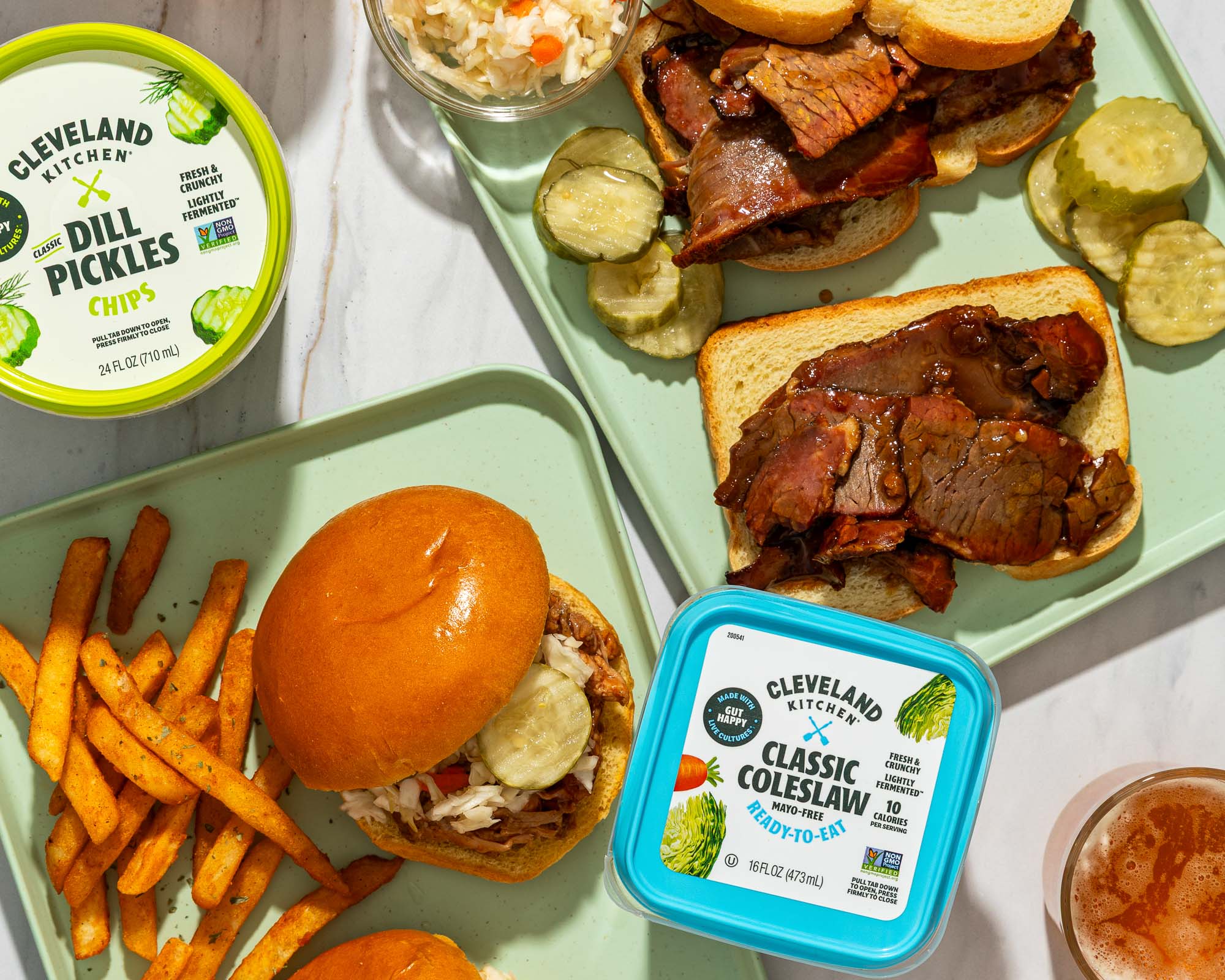
- A turkey sandwich with fermented pickles
Dinner
- Grilled salmon with sauerkraut
- Burgers topped with kraut
- Steak tacos with pickled vegetables
Small additions can help create more variety on your plate while supporting both your nutrition goals and your gut health.
Frequently Asked Questions
Is protein bad for gut health?
No. Protein is an important part of a healthy diet. The goal isn’t to eat less protein—it’s to make sure you’re also getting fiber, plant foods, and other nutrients that support your gut microbiome.
Can eating too much protein affect your gut?
Protein is an important part of a healthy diet, but focusing exclusively on protein may leave less room for other nutrients that support gut health. Research suggests that dietary fiber, plant diversity, and fermented foods all play important roles in maintaining a healthy gut microbiome. Rather than focusing on a single nutrient, experts generally recommend a balanced dietary pattern that includes a variety of whole foods.
What foods support a healthy gut microbiome?
Research suggests that fiber-rich foods, fruits, vegetables, legumes, whole grains, and fermented foods can all contribute to a healthy gut environment.
Can you focus on protein and gut health at the same time?
Absolutely. A balanced diet can include adequate protein alongside fiber-rich plants and fermented foods that help support a healthy gut microbiome.
How often should you eat fermented foods?
There is no universal recommendation, but many experts suggest incorporating fermented foods into your routine regularly as part of an overall balanced diet.
The Bottom Line: Don’t Forget About Your Gut Health
Protein deserves its place on your plate.
But your gut deserves attention, too.
While protein helps support muscles, recovery, and overall health, your microbiome depends on a wider variety of nutrients—including fiber-rich plants and fermented foods.
The goal isn’t to choose between protein and gut health.
The goal is balance.
Prioritizing protein while also making room for foods that support gut health can help you build a diet that works for your whole body.
Sometimes, supporting your gut can be as simple as adding a forkful of sauerkraut, kimchi, or fermented pickles to the meals you’re already eating.
Continue reading


Find Us Online
& In-Store
Big flavor. Real benefits. Find us nationwide—always fresh, always in the fridge.



%201.avif)


%201.avif)